
Key Stage 2 at Kinderworld International School
Key Stage 2, covering Years 3-6 (ages 7-11), is when students deepen their learning broadly. They build on literacy and numeracy, explore wider subject areas, and begin to think critically and independently.
What You Will Learn (Curriculum Highlights)
- English: comprehension, writing (narrative, report, persuasive), grammar, vocabulary expansion
- Mathematics: multiplication, division, fractions, decimals, measurement, geometry
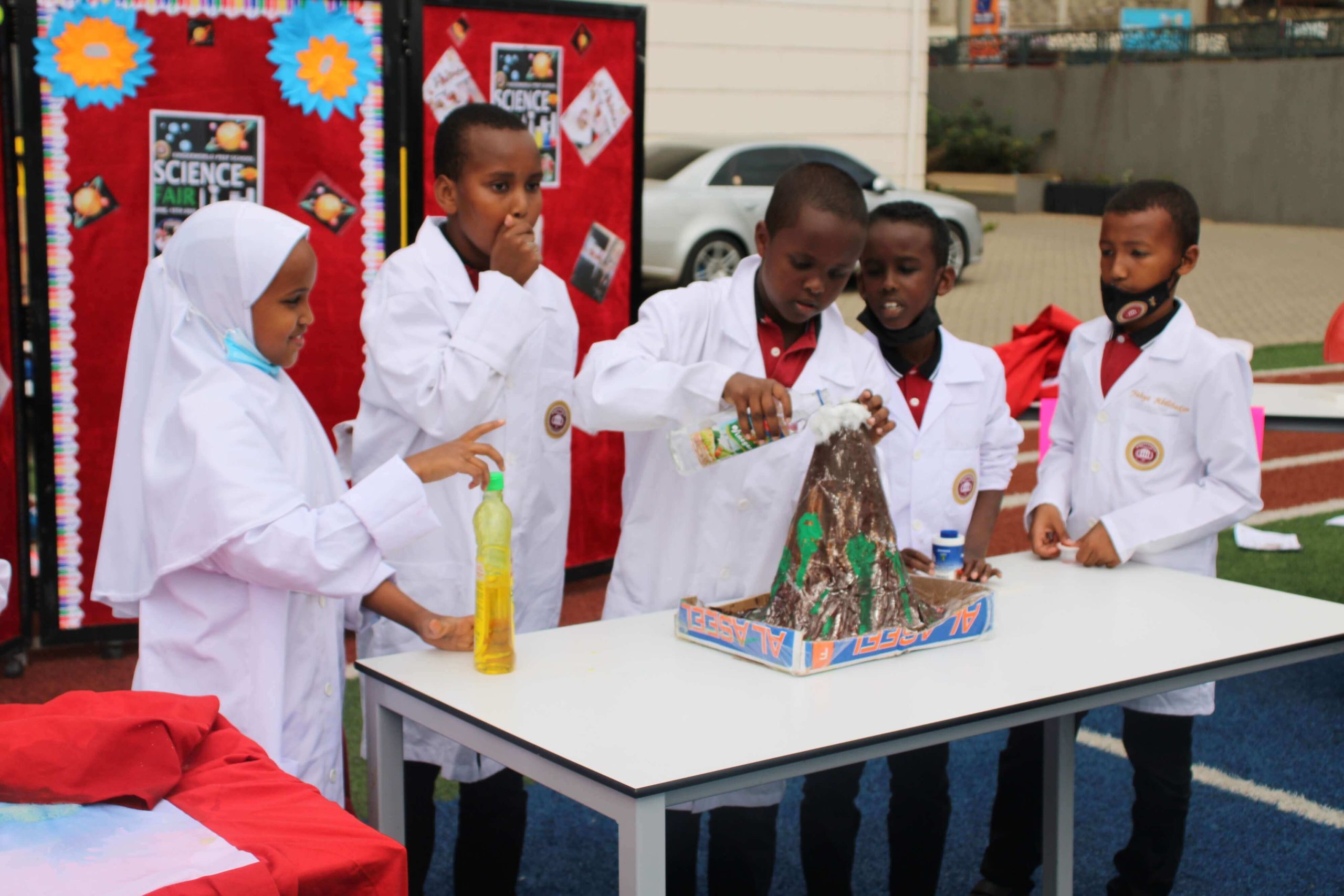
- Science: biology, physics, chemistry basics, investigating, hypothesis work
- History & Geography: local and global history, cultures, map work, environment and sustainability
- Languages: Swahili / French / Arabic (continued or introduction)
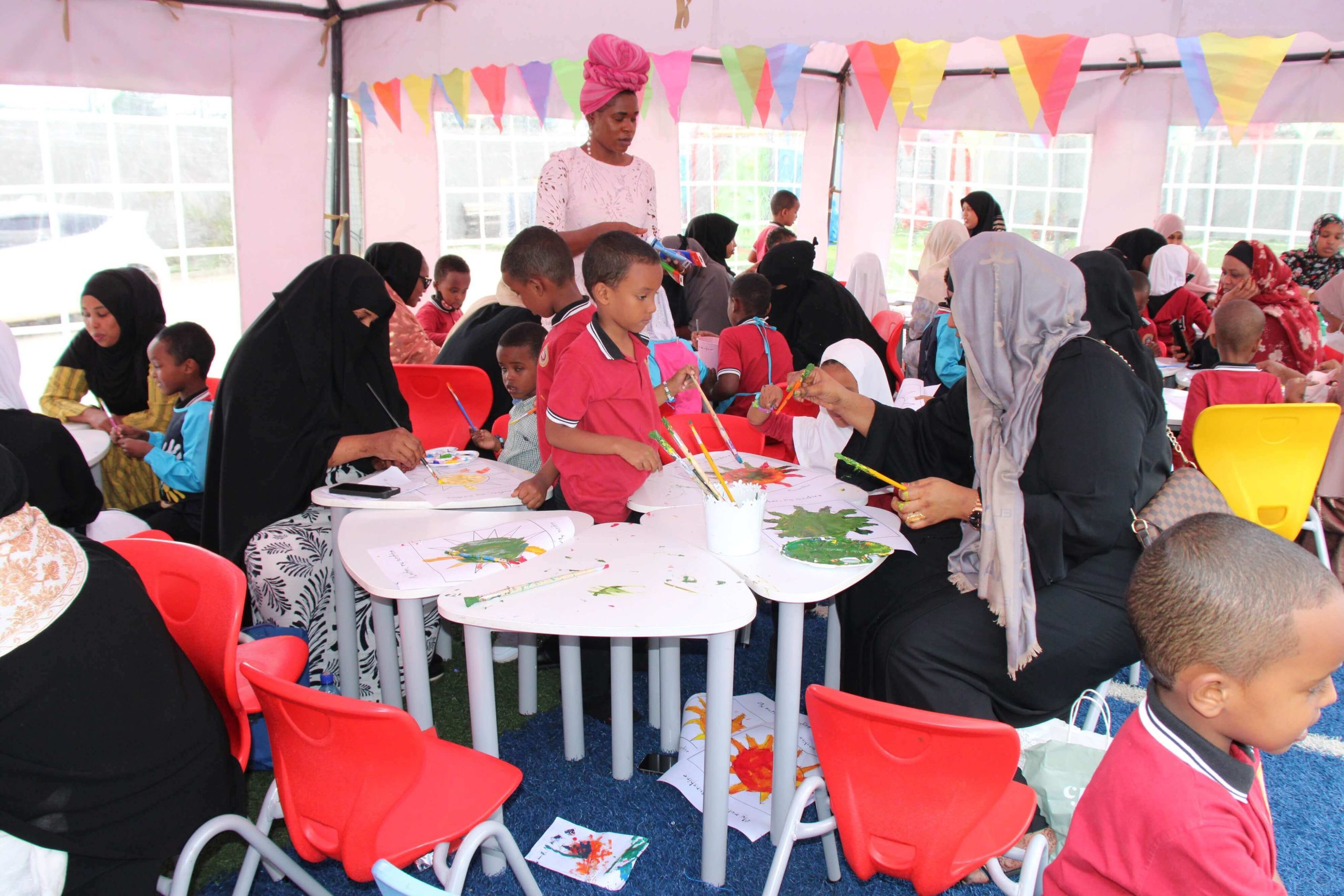
- Creative & Performing Arts: art, music, drama, design & technology
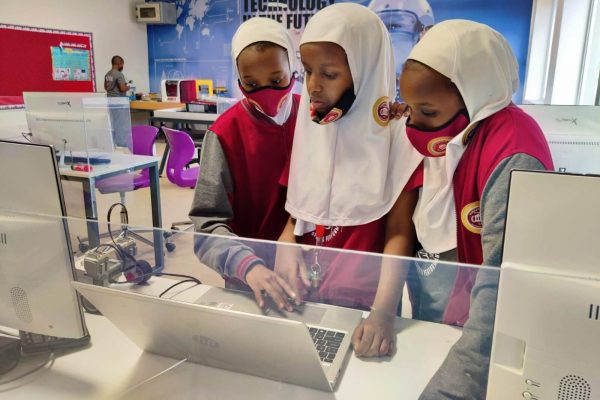
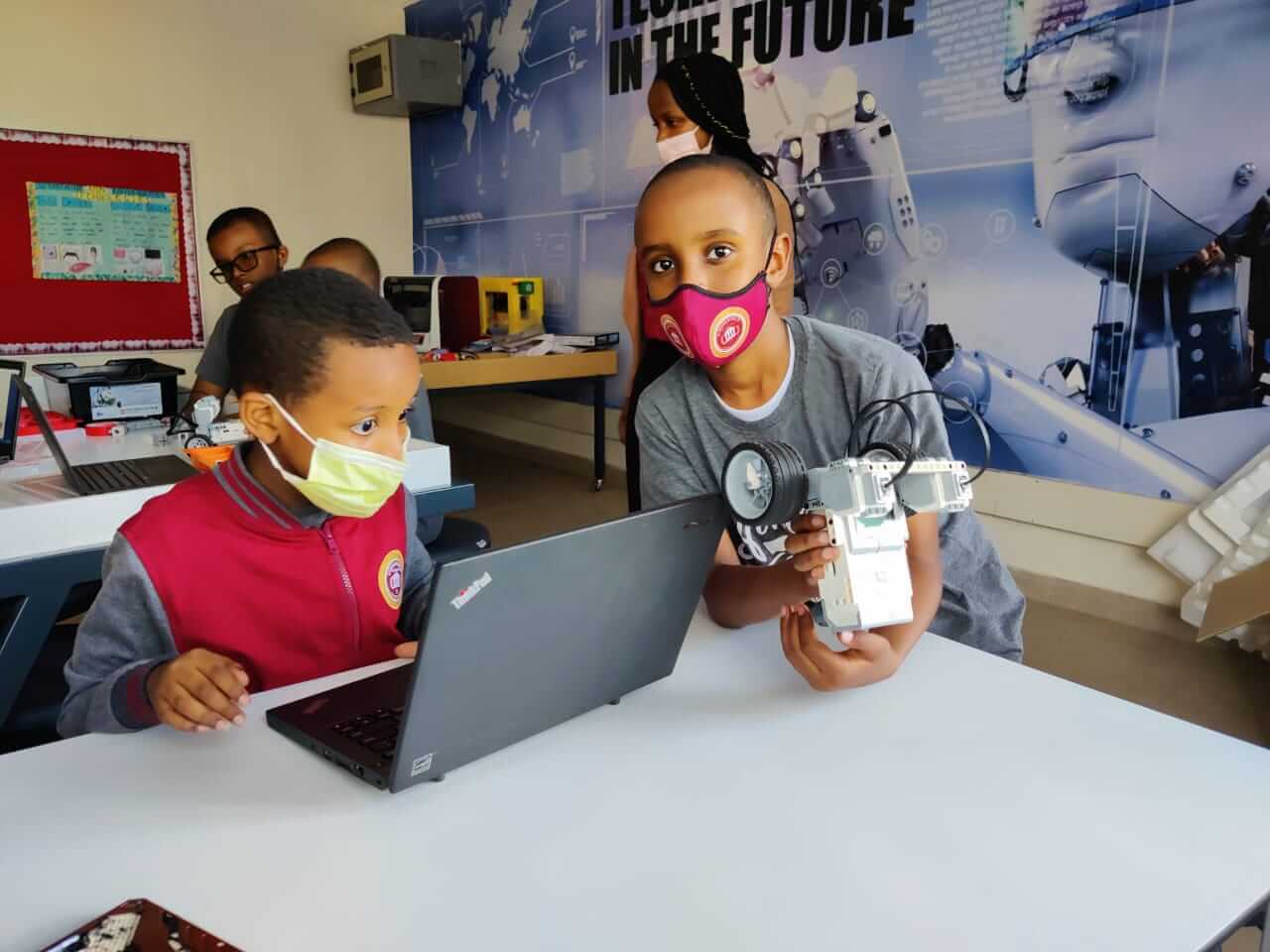
- ICT / Computing: coding, digital literacy, safe use of technology
- PE & Sports: teamwork, athletics, games
How We Teach / Learning Approach
- Inquiry-based projects and problem solving
- Differentiated instruction: catering for different learning styles and abilities
- Regular formative and summative assessments
- Emphasis on developing critical thinking, collaboration, responsibility
Why Choose this Stage at Kinderworld
- Engaging curriculum that connects with students’ lives and local context
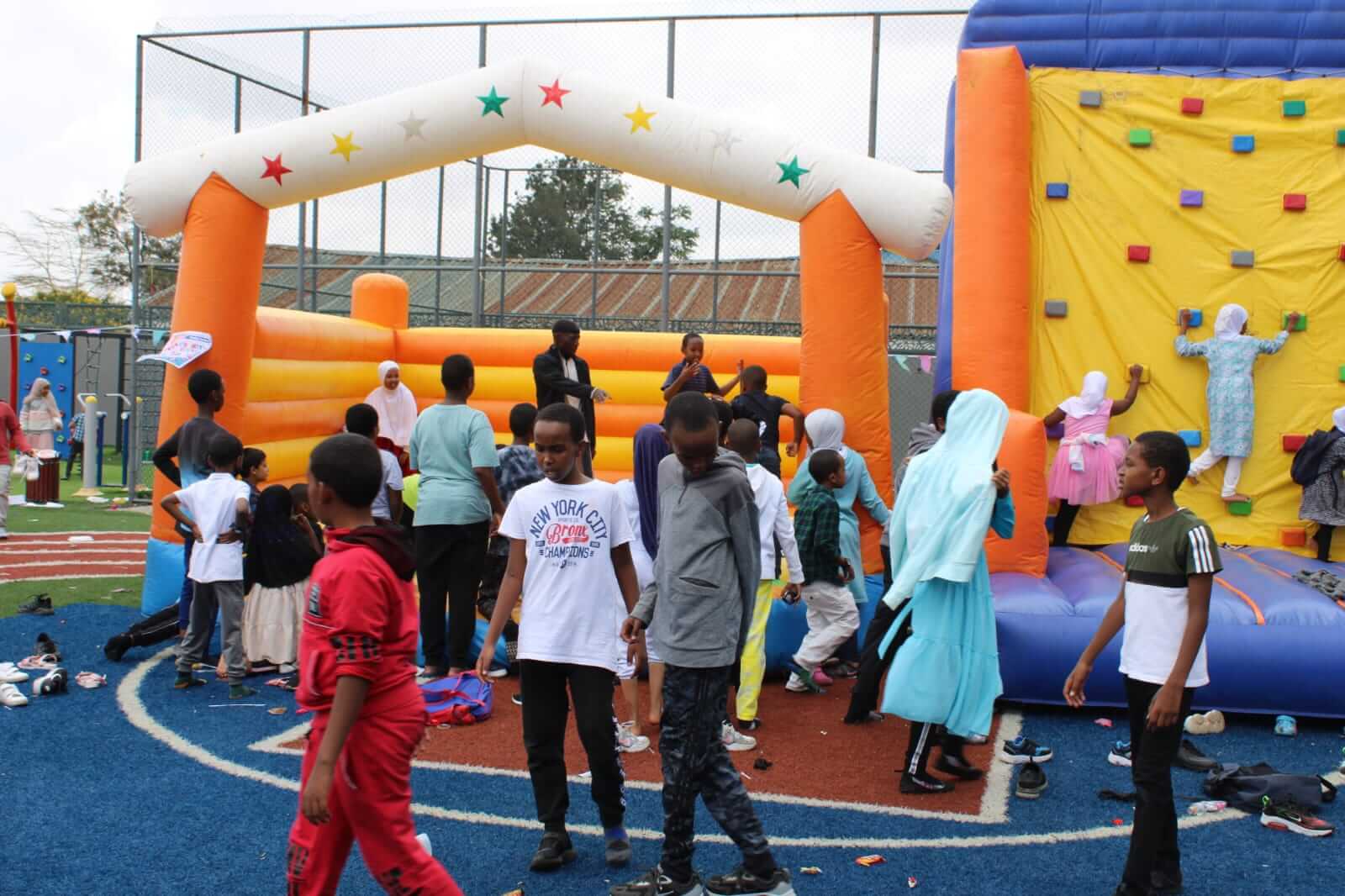
- Enrichment through clubs, trips, art & sports
- Support for learners who need more challenge and for those who need help
- Strong focus on character development and school values
Progress & Next Steps
At Key Stage 2 completion, students are well prepared for transition into
Key Stage 3: academically ready, independent in learning,
confident in social & communication skills.
FAQs (Frequently Asked Questions)
A: Yes, children can take on leadership roles such as class monitors, eco-club leaders, and members of the school council, encouraging responsibility and teamwork.
A: We offer a wide range of after-school clubs including sports, arts, music, debate, and technology. Participation is encouraged but not compulsory.
A: We promote respect, responsibility, and kindness. Positive behaviour is rewarded, and restorative approaches are used to resolve conflicts.
A: We extend their learning with enrichment projects, advanced reading lists, subject competitions, and mentorship opportunities.
