
Key Stage 3 at Kinderworld International School
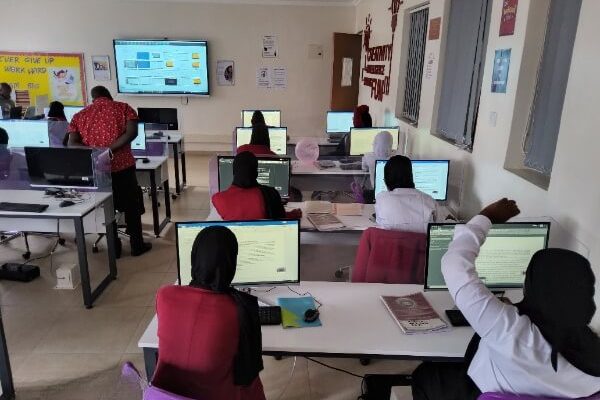
Key Stage 3 (Years 7 to 9, ages 11-14) is where students experience a wide range of subjects, begin to specialise in areas of interest, and build the thinking and learning skills required for senior school / IGCSE.
What You Will Learn (Curriculum Highlights)
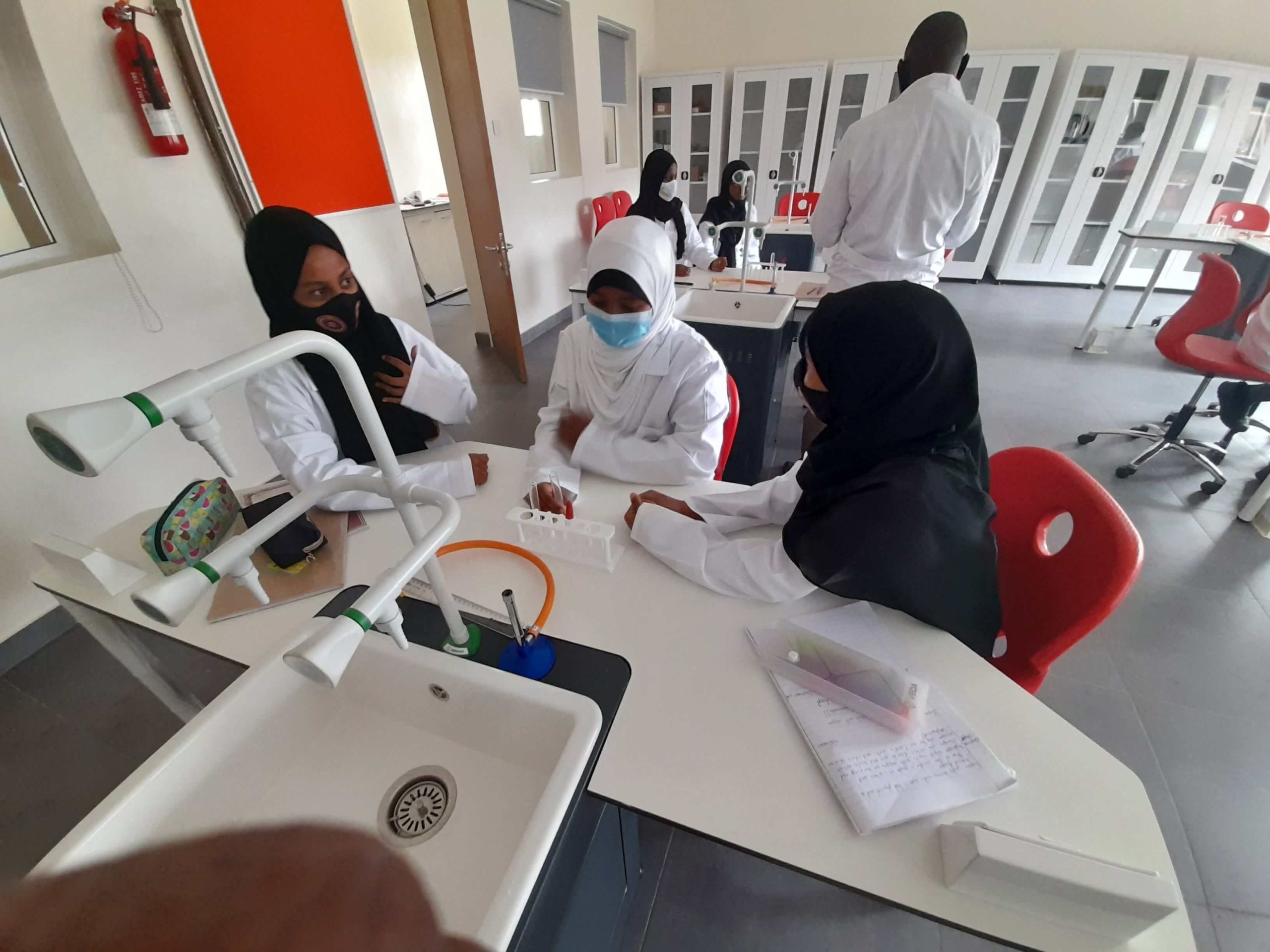
- Core: English language & literature, Mathematics, Science (Biology, Chemistry, Physics)
- Humanities: History, Geography, Global perspectives / Social Studies
- Modern Foreign Languages: French, Swahili, Arabic (if offered)
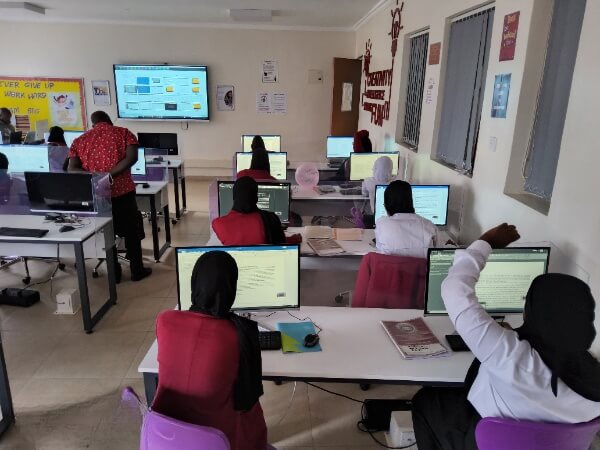
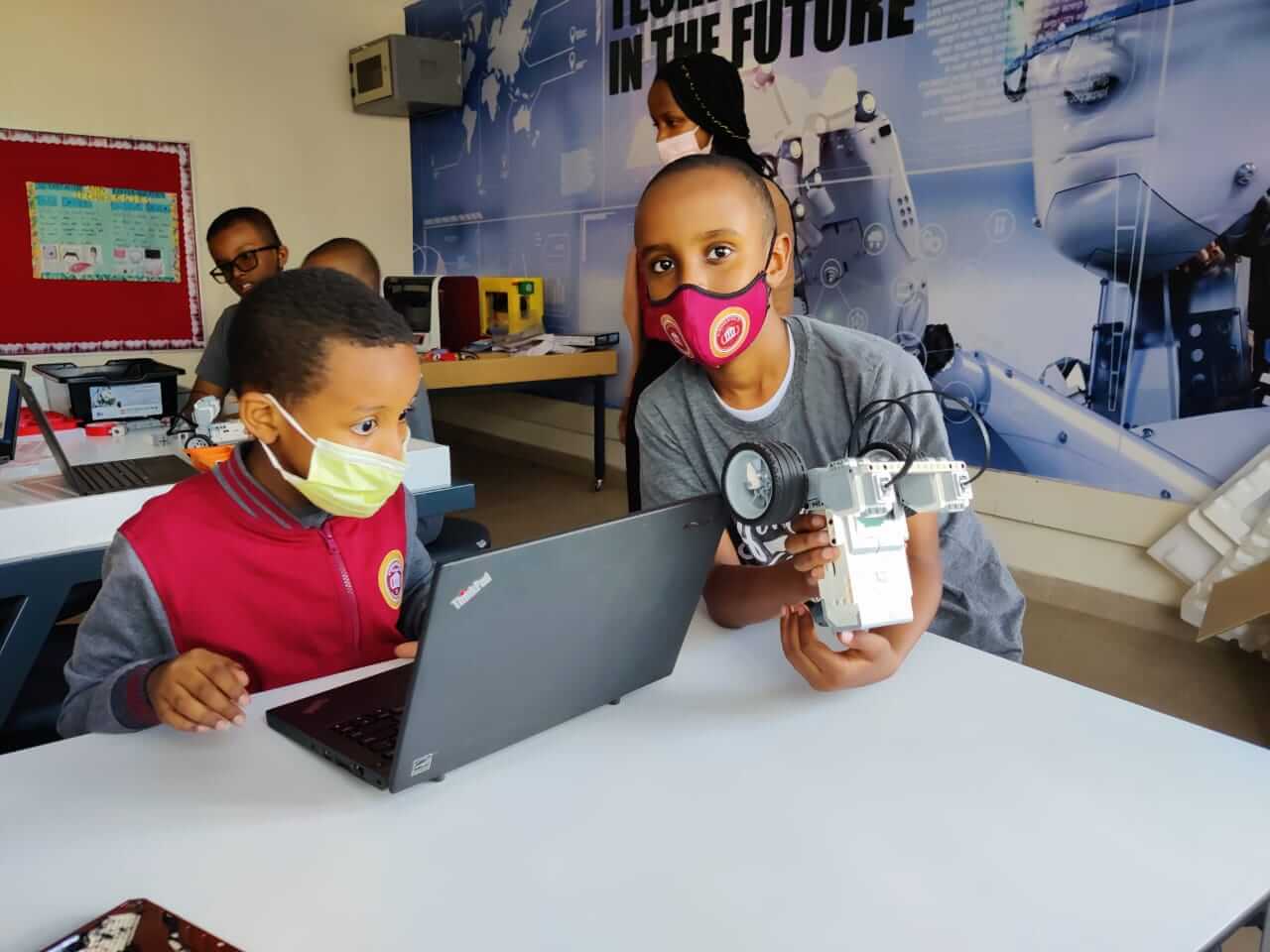
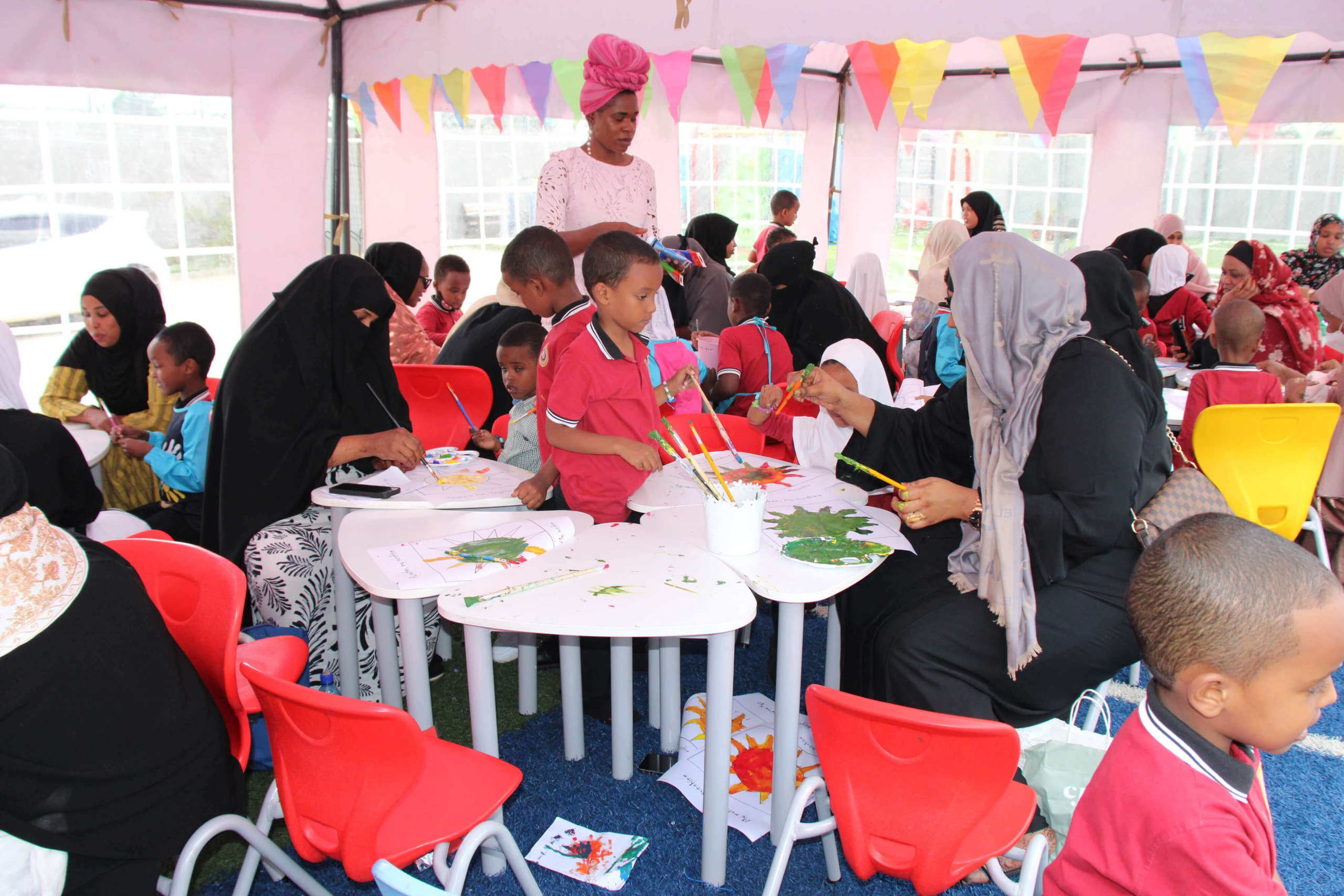
- Creative Arts & Technology: Art, Design & Technology, Music, Drama
- Physical develavopment: fine motor skills (pencils, scissors), gross motor (running, jumping)
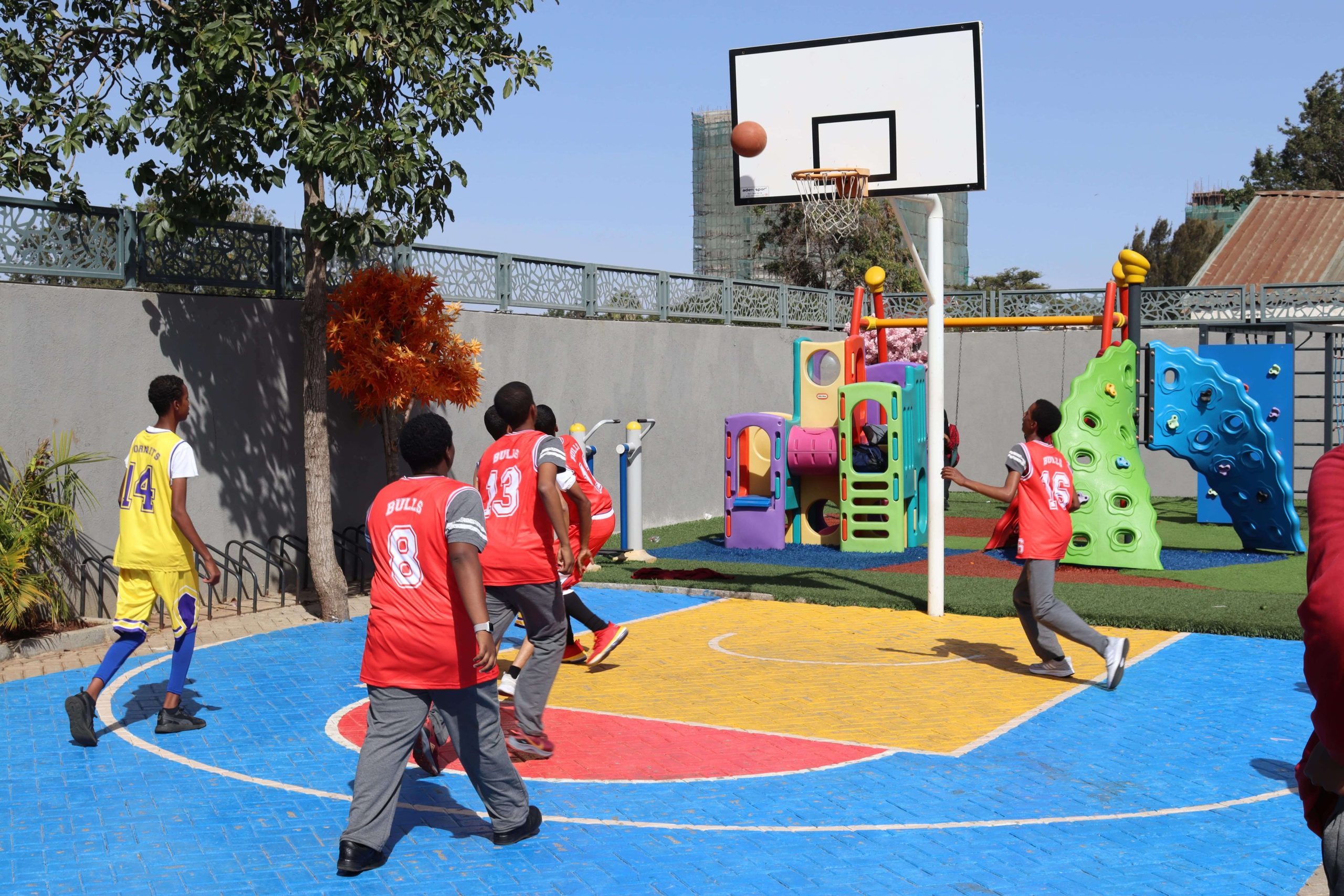
- Physical Education & Health: fitness, sports, wellbeing
How We Teach / Learning Approach
- Balanced curriculum with depth & breadth
- Project-based learning and cross‐disciplinary tasks
- Continuous assessment: quizzes, tests, coursework, reflections
- Support structures: tutoring, extra help, personalised learning plans
Why Choose this Stage at Kinderworld
- Qualified subject teachers with experience in IGCSE prep
- Warm, caring atmosphere with kindness and respect as core values
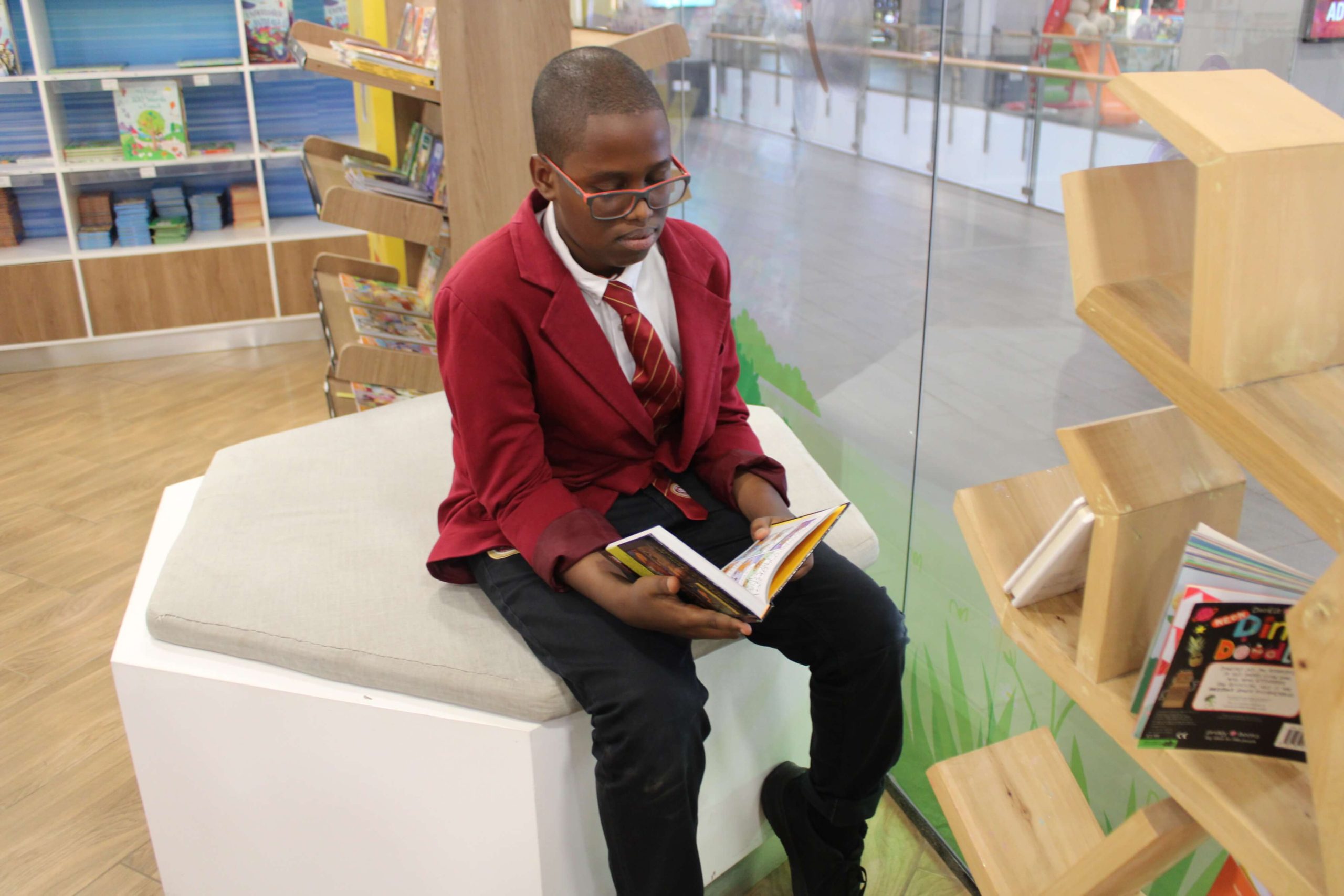
- Opportunities for students to explore and find passions (clubs, electives)
- Strong pastoral care during adolescent years
- Focus on global awareness and responsible citizenship
Progress & Next Steps
Students finishing KS3 are well positioned to choose IGCSE / Cambridge International / equivalent subjects in KS4, with clarity on strengths, interests and aspirations.
FAQs (Frequently Asked Questions)
A: In Key Stage 3, students study a broad range of subjects. Towards the end of Year 9, they begin selecting IGCSE subject options to take forward into Key Stage 4.
A: Yes, we introduce basic career exploration and subject-choice counselling in Year 9 to help students align interests with future opportunities.
A: We offer targeted academic support, after-school tutoring, and individual learning plans where needed.
A: Assessment is continuous, using classwork, projects, short tests, and end-of-term exams. This provides a clear picture of progress and areas for improvement.
