
Key Stage 1 at Kinderworld International School
Key Stage 1 covers Years 1 and 2, roughly ages 5 to 7. This is the stage where children begin a more formal learning routine, while still feeling supported, curious, and happy in exploring new subject areas.
What You Will Learn (Curriculum Highlights)
- English: reading fluently, writing, grammar basics, vocabulary
- Mathematics: addition & subtraction, shapes, place value, early multiplication
- Science: observing plants, animals, materials; simple experiments
- Languages: introduction or continued study of Swahili / French / Arabic (if applicable)
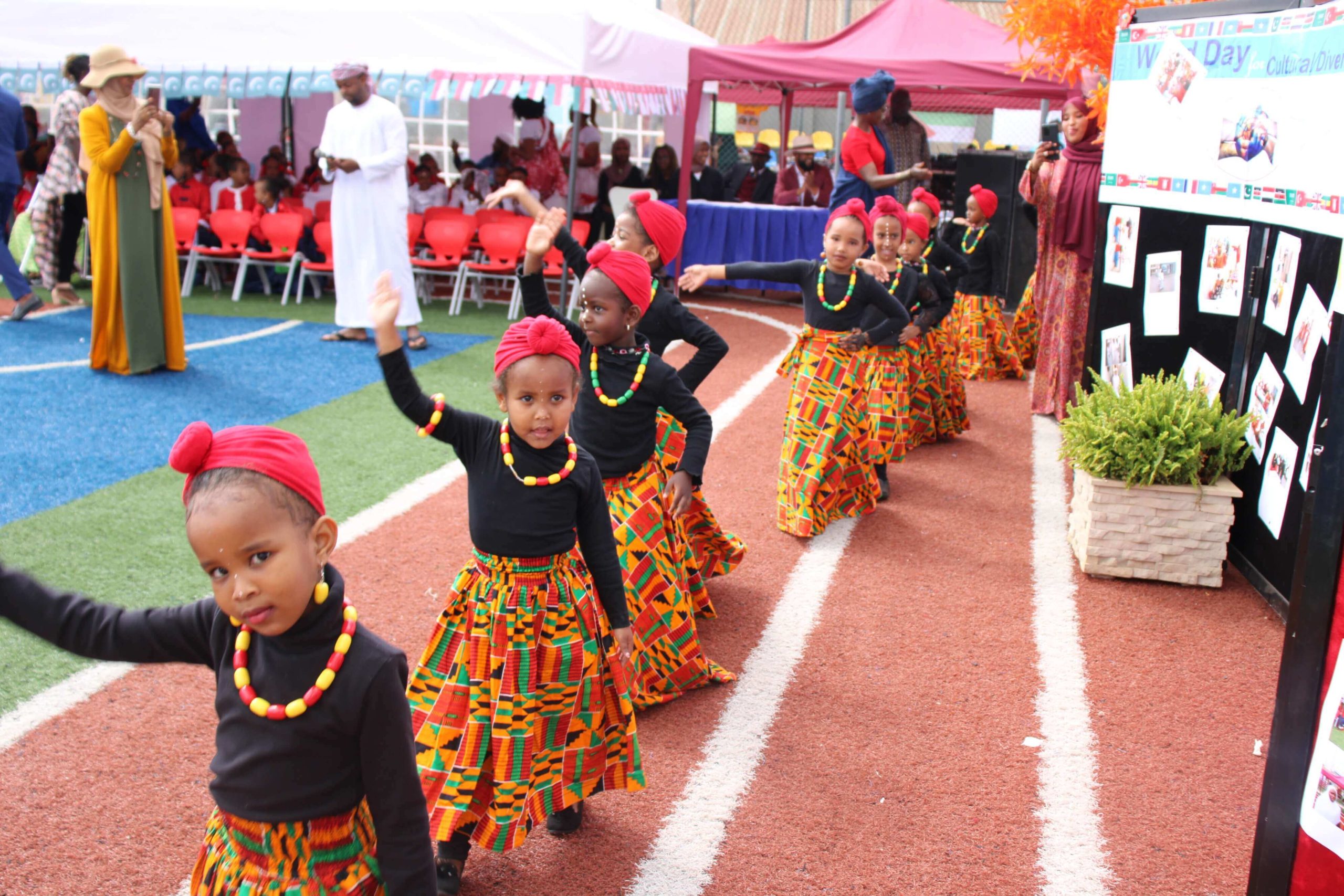
- Creative Arts: art, music, drama, craft
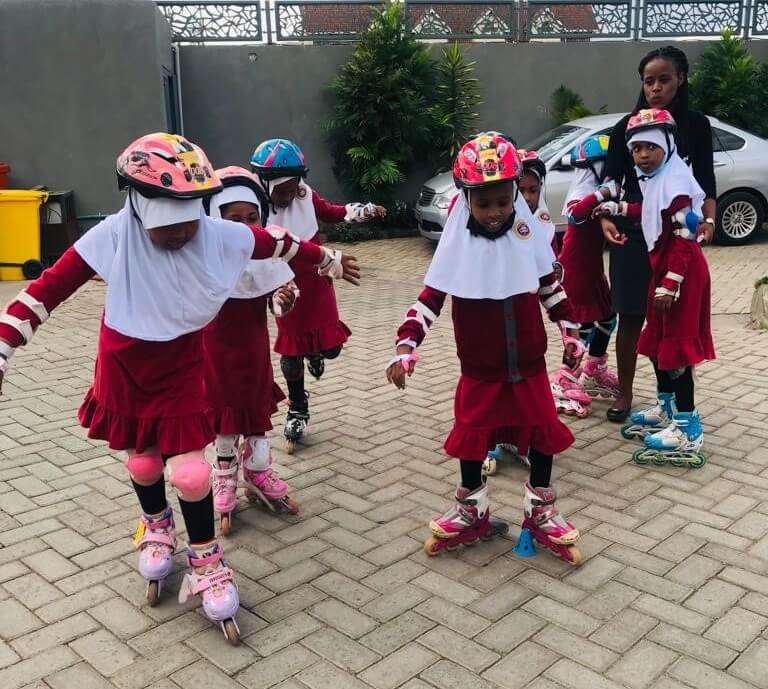
- Physical Education: movement, games, coordination
- Computing: basic digital skills
How We Teach / Learning Approach
- Hands-on learning and discovery to connect concepts to real life
- Balanced mix of structured lessons and creative activities
- Frequent feedback and assessments to monitor progress and support children individually
- Emphasis on values: respect, cooperation, curiosity
Why Choose this Stage at Kinderworld
- Skilled teachers who understand early literacy/numeracy development
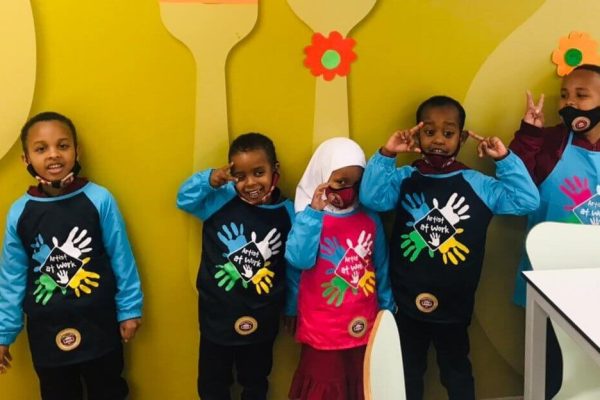
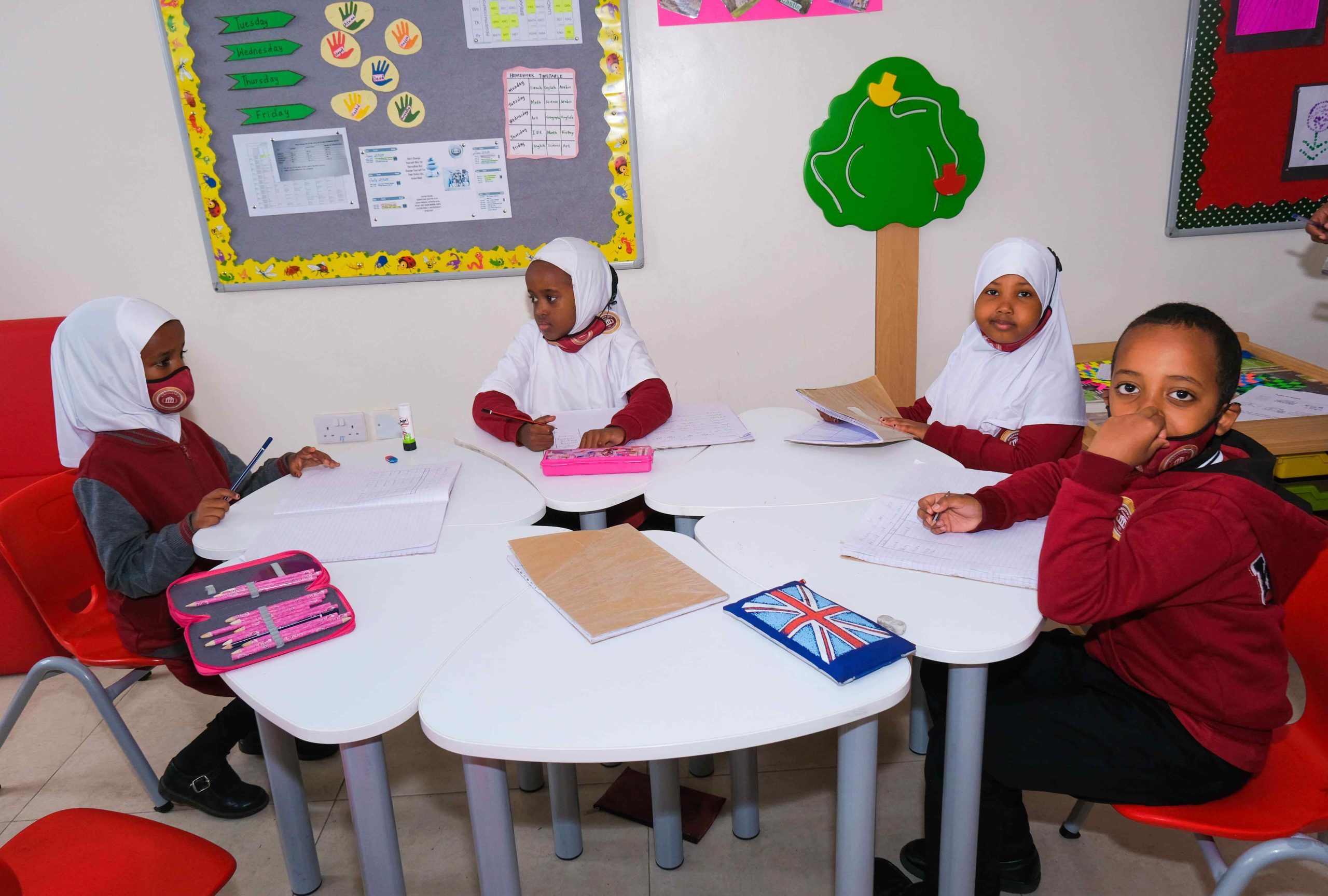
- Warm class environment that encourages asking questions and exploring
- Use of high quality resources and learning tools
- Strong pastoral / wellbeing support
Progress & Next Steps
At the end of KS1, students are ready to move into Key Stage 2 with solid foundations in core academic skills, confidence in social settings, and a love for learning.
FAQs (Frequently Asked Questions)
A: Students cover a broad curriculum including English, Mathematics, Science, Humanities, Languages, ICT, Arts, and Physical Education, spread across the week to balance academics with creativity.
A: Homework is light and age-appropriate, focusing mainly on reading, spelling, and simple maths practice. The aim is to reinforce classroom learning without overwhelming children.
A: Parents receive regular class newsletters, termly report cards, and can attend parent-teacher conferences. Teachers are also available for one-on-one meetings.
A: We provide early intervention, including small-group sessions, one-on-one support, and close teacher-parent collaboration to help each child thrive.
